.png)
When you’re running a car dealership with multiple locations, technology is always there in the background. Sales teams rely on it. Service departments depend on it. And when it’s working, no one really thinks about it.
That was largely the case at Laramie GM.
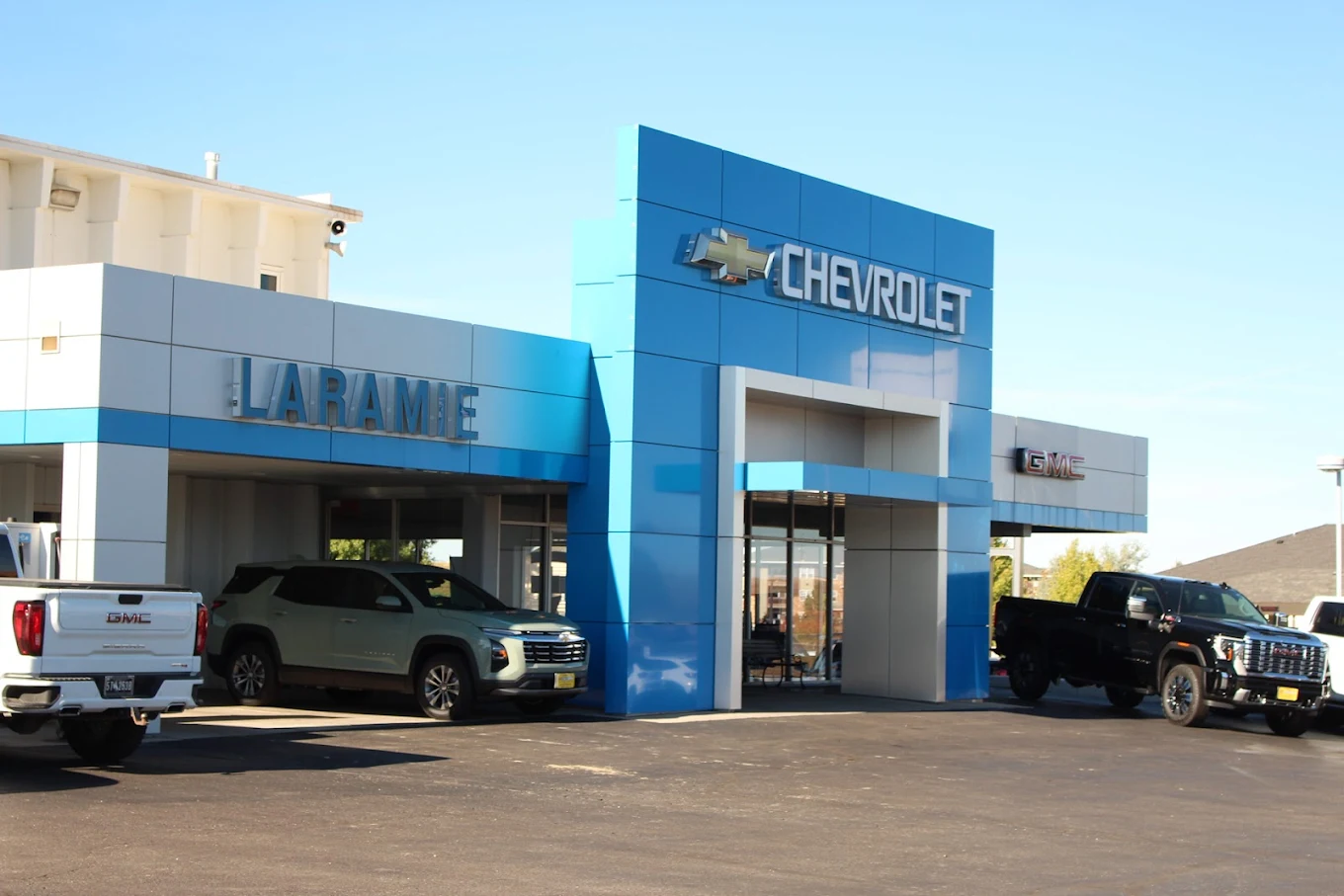
The dealership operates across four locations in Wyoming, with close to 100 employees using their systems every day. Over the years, their technology had grown right along with the business. New tools were added. Old systems stayed in place. Everything still worked, at least on the surface.
But underneath, some of the infrastructure was getting old.
The goal wasn’t to modernize for the sake of modernization. It wasn’t about speed or shiny new tools. What mattered most was stability. Making sure the business could keep running, day in and day out, without worrying about a single failure bringing everything to a stop.
The bigger concern came down to one key piece of infrastructure: an aging server that was well past its warranty and running without reliable backups.
Nothing had failed yet. And that was part of the problem.
On a busy day, with employees working across sales, service, and administrative teams, that server quietly supported a huge portion of the operation. If it went down, the impact wouldn’t have stayed contained to IT.
It would have affected:
● Employees trying to do their jobs
● Sales activity on the fl oor
● Service operations in the shop
● Customers waiting for answers or updates
There were also growing safety and security concerns across the network. Antivirus protection and endpoint security hadn’t been actively managed, and older computers were still in use across locations. While there hadn’t been a major incident, the risk was there, and increasing over time.
As Joe Hedley later shared, it wasn’t about panic. It was about realizing how much the business was relying on systems that didn’t have much room for error anymore.
For a multi-location dealership with constant daily activity, even a short stretch of downtime could ripple quickly. And once that possibility became clear, it was something that couldn’t be ignored.
This wasn’t a big theoretical IT project. It was a practical one.
Whatever came next had to work around the business, not disrupt it.
The dealership needed:
● Changes that wouldn’t interrupt employees or customers
● Consistent support across all four locations
● A clear focus on the biggest risks fi rst
● Better security without slowing people down
There also wasn’t room for a long, drawn-out transition. The business needed someone who could step in, understand the environment quickly, and start making things safer without creating new headaches along the way.
While technical experience mattered, the decision ultimately came down to trust.
Joe already had an established relationship with ICC leadership, particularly Shaun Bullock and Kirk Bane. That history mattered. Conversations were straightforward. There was context. There was mutual understanding of how the business operated and what was at stake.
Instead of showing up as a vendor focused on tickets and tasks, ICC approached the situation as a partner. The discussions weren’t just about what was broken, they were about how the dealership worked, where the risks were, and what needed to happen to keep things running smoothly.
Joe had worked with other IT providers before and felt the difference right away.
“It wasn’t just about fi xing things as they broke,” Joe shared. “It was about having someone who understood the bigger picture and took responsibility for it.”
That relationship, built on communication, honesty, and follow-through, made it easier to move forward with confi dence, knowing the business wouldn’t be left navigating issues on its own.
The first step was understanding the environment as it really existed, not as it was supposed to look on paper.
ICC took the time to review the dealership’s systems and identify where the biggest risks lived. Rather than trying to change everything at once, they focused on what mattered most fi rst.
The priority was simple:
● Remove the most serious points of failure
● Put reliable protections in place
● Create a stable foundation the business could rely on
Only after that foundation was secure did it make sense to think about improvements or upgrades.
Putting the Plan into Action
The most urgent step was replacing the outdated server and putting proper backup systems in place. That alone removed a major threat to the dealership’s day-to-day operations.

● Took over management of antivirus and endpoint protection
● Began updating older computers in a way that didn’t interrupt work
● Helped bring more consistency across systems at all four locations
The onboarding process was handled quickly and thoughtfully. ICC’s team came prepared, worked efficiently, and made sure changes were made with minimal disruption. In many cases, major assessments and fi xes were completed within a single day.
Moving forward, support combined proactive monitoring with fast on-site response when needed which is something Joe and his team came to rely on.
The biggest difference wasn’t something you could see on a dashboard.
It was how the business felt day to day.
With backups in place and systems no longer running on borrowed time, leadership didn’t have to worry about what might break next. Security was stronger. Reliability improved. And when issues did come up, they were addressed quickly.
The results included:
● Significantly reduced risk of unexpected downtime
● More reliable systems across all locations
● Improved security across devices and the network
● Faster response when problems occurred
● Less stress for leadership and staff
As Joe put it:
“Knowing the systems were fi nally protected and supported changed how we thought about IT. It just wasn’t something we had to worry about anymore.”
This wasn’t about a one-size-fi ts-all solution.
It worked because ICC:
● Focused on stability before optimization
● Took the time to understand how the business actually operates
● Built on existing relationships and trust
● Stayed involved at a leadership level
● Acted like a partner, not just a service provider
The result was an IT environment that quietly does its job. Supporting the business without getting in the way.
● Aging systems can create real business risk long before they fail
● Stability and protection often matter more than speed or new features
● Strong IT partnerships are built on trust and communication
● Proactive support reduces stress and surprise downtime
● Addressing risk early creates room for long-term growth
For businesses with multiple locations, aging infrastructure, or limited internal IT support, this story is a reminder that waiting for something to break isn’t a strategy.
Having a partner who understands your business, and is willing to take responsibility for keeping it running, can make all the difference.
That’s the role ICC plays for organizations across Wyoming and Northern Colorado.